

Vol. 30 No. 3 (2025): Endangered Languages and Varieties in the Americas
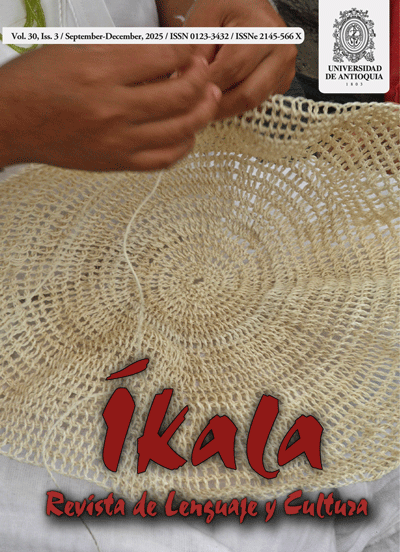
For minoritized languages speakers across the Americas, their mother tongue often represents much more than a mere communication tool —it can become an identity symbol, articulate social relations and bonds, convey wisdoms and traditions from one generation to another, structure thinking, and heal, among many other roles. Nevertheless, it is known that languages, as social representations, allow both empowering and subordinating, creating stereotypes and, often, determining individuals’ social status. This is why many endangered languages are linked to discrediting and stigmatization, stereotypes linked to marginalization and underdevelopment, invisibility or some perceived uselessness. This problematic is beautifully illustrated in artist Victoria García's photographic and pictoric series. We invite you to look at a sample of her work here.
Published:
2025-11-10
Full Issue
Editorial
-

Endangered Languages and Varieties in the Americas
|Abstract = 176 veces | PDF (ESPAÑOL (ESPAÑA)) = 146 veces| | EPUB (ESPAÑOL (ESPAÑA)) = 3 veces|
Empirical Studies
-
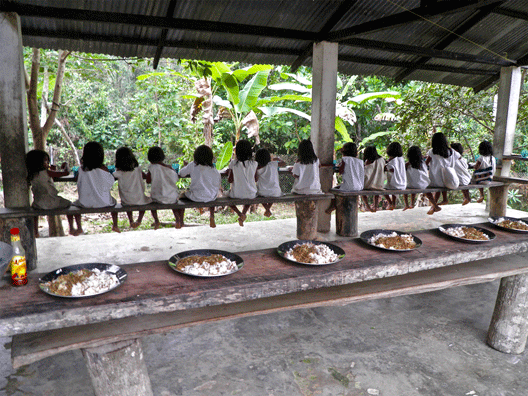
The Yawalapíti (Aruak) of Alto Xingu: Their History and Sociolinguistic Status
|Abstract = 99 veces | PDF (PORTUGUÊS (BRASIL)) = 38 veces| | EPUB (PORTUGUÊS (BRASIL)) = 9 veces| -
Identity Recognition and Language Revitalization Trajectories in Intercultural Bilingual Education Teacher Education
|Abstract = 205 veces | PDF (ESPAÑOL (ESPAÑA)) = 106 veces| | EPUB (ESPAÑOL (ESPAÑA)) = 6 veces| -
The Color of Value: English as an Index of Racialization on the Brazil-Guyana border
|Abstract = 132 veces | PDF (PORTUGUÊS (BRASIL)) = 56 veces| | EPUB (PORTUGUÊS (BRASIL)) = 7 veces| -
Language Ideologies Among Kamënẗsá Biyá People in Sibundoy Valley (Colombia): Identity, Use, Transmission, Preservation
|Abstract = 138 veces | PDF (ESPAÑOL (ESPAÑA)) = 88 veces| | EPUB (ESPAÑOL (ESPAÑA)) = 18 veces| -
What Is Not Named, Does It Exist? Ethnolinguistic Visibility in the 2022 Census in Argentina
|Abstract = 109 veces | PDF (ESPAÑOL (ESPAÑA)) = 64 veces| | EPUB (ESPAÑOL (ESPAÑA)) = 12 veces| -
Linguistic Weakening of Nasa-Yuwe in the Path Yu' Community (Cauca, Colombia)
|Abstract = 123 veces | PDF (ESPAÑOL (ESPAÑA)) = 29 veces| | EPUB (ESPAÑOL (ESPAÑA)) = 6 veces| -
Lexical Availability Among Young Palenquero Creole Speakers: A Sociolinguistic Analysis
|Abstract = 124 veces | PDF (ESPAÑOL (ESPAÑA)) = 68 veces| | EPB (ESPAÑOL (ESPAÑA)) = 13 veces| -
Making Kichwa Salasaka Visible: A Linguistic Landscape Analysis
|Abstract = 242 veces | EPUB (ESPAÑOL (ESPAÑA)) = 17 veces| | PDF (ESPAÑOL (ESPAÑA)) = 86 veces|
Case Studies
-

“Yo no hablo haitiano, hablo patuá”: The Construction and Enregisterment of Linguistic Difference in Haitian Dominican Migration Contexts
|Abstract = 124 veces | PDF = 53 veces| | EPUB = 7 veces| -
Safeguarding the Garífuna: Initiatives and Challenges in Language Preservationon the Caribbean Coast of Guatemala
|Abstract = 98 veces | PDF (ESPAÑOL (ESPAÑA)) = 34 veces| | EPUB (ESPAÑOL (ESPAÑA)) = 4 veces| -
Survivance in Indigenous Schools: Wayuu Students’ Resistance to Coloniality in La Guajira (Colombia)
|Abstract = 166 veces | EPUB (ESPAÑOL (ESPAÑA)) = 11 veces| | PDF (ESPAÑOL (ESPAÑA)) = 128 veces|
Literature Reviews
-
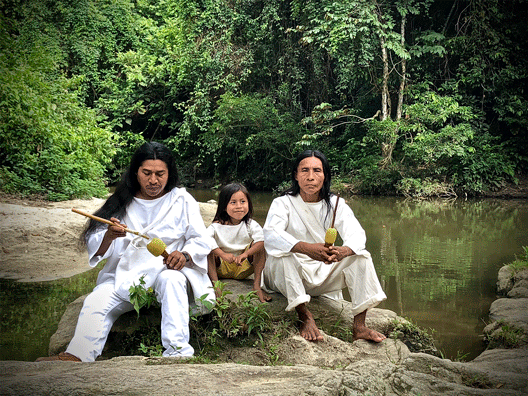
Language Revitalization and the Persistence of Mapudungun: A Review of Critical and Territory-based Perspectives
|Abstract = 119 veces | EPUB (ESPAÑOL (ESPAÑA)) = 14 veces| | PDF (ESPAÑOL (ESPAÑA)) = 71 veces|
Theoretical Articles
-

Rethinking Language Education: The Case for Multilinguality
|Abstract = 161 veces | PDF = 83 veces| | EPUB = 4 veces|
Book Reviews
-

Book review: Portuñhol ¿qué es? como se faz?
|Abstract = 80 veces | PDF (ESPAÑOL (ESPAÑA)) = 52 veces| | EPUB (ESPAÑOL (ESPAÑA)) = 6 veces|


