

Bd. 30 Nr. 3 (2025): Endangered Languages and Varieties in the Americas
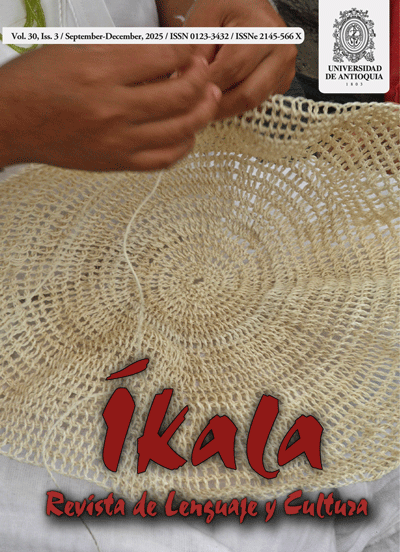
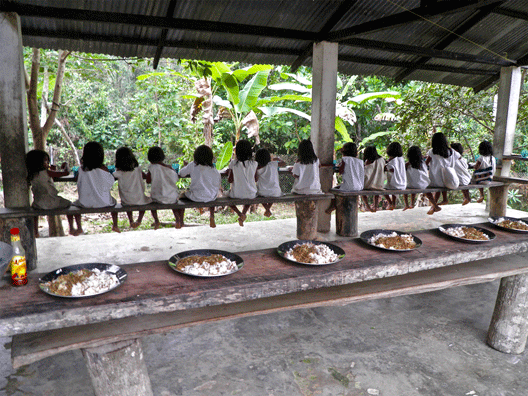
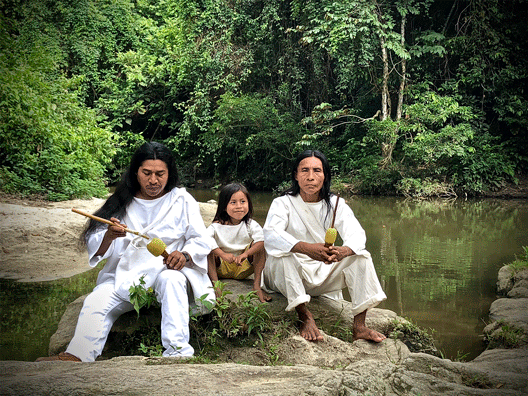
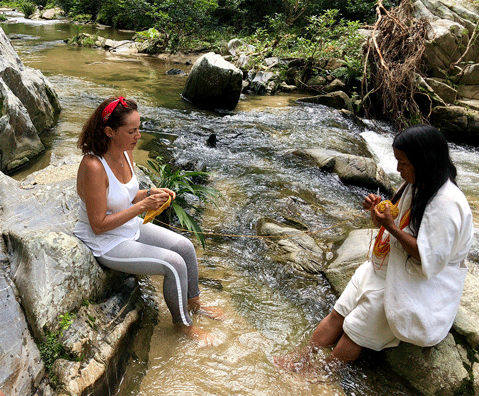
For minoritized languages speakers across the Americas, their mother tongue often represents much more than a mere communication tool —it can become an identity symbol, articulate social relations and bonds, convey wisdoms and traditions from one generation to another, structure thinking, and heal, among many other roles. Nevertheless, it is known that languages, as social representations, allow both empowering and subordinating, creating stereotypes and, often, determining individuals’ social status. This is why many endangered languages are linked to discrediting and stigmatization, stereotypes linked to marginalization and underdevelopment, invisibility or some perceived uselessness. This problematic is beautifully illustrated in artist Victoria García's photographic and pictoric series. We invite you to look at a sample of her work here.
Veröffentlicht:
2025-11-10
Komplette Ausgabe
Editorial
-

Lenguas y variedades en peligro en las Américas
|Abstract = 176 veces | PDF (ESPAÑOL (ESPAÑA)) = 146 veces| | EPUB (ESPAÑOL (ESPAÑA)) = 3 veces|
Empirical Studies
-
Yawalapíti (Aruak) do Alto Xingu: história e situação sociolinguística
|Abstract = 99 veces | PDF (PORTUGUÊS (BRASIL)) = 38 veces| | EPUB (PORTUGUÊS (BRASIL)) = 9 veces| -
Reconocimientos identitarios y trayectorias de revitalización lingüística en la formación docente en educación intercultural bilingüe
|Abstract = 205 veces | PDF (ESPAÑOL (ESPAÑA)) = 106 veces| | EPUB (ESPAÑOL (ESPAÑA)) = 6 veces| -
A cor do valor: o inglês como índice de racialização na fronteira Brasil-Guiana
|Abstract = 132 veces | PDF (PORTUGUÊS (BRASIL)) = 56 veces| | EPUB (PORTUGUÊS (BRASIL)) = 7 veces| -
Ideologías lingüísticas del pueblo kamënẗsá biyá, del valle de Sibundoy, Colombia: identidad, uso, transmisión y preservación
|Abstract = 138 veces | PDF (ESPAÑOL (ESPAÑA)) = 88 veces| | EPUB (ESPAÑOL (ESPAÑA)) = 18 veces| -
Lo que no se nombra, ¿no existe? Visibilización etnolingüística en el Censo 2022 en Argentina
|Abstract = 109 veces | PDF (ESPAÑOL (ESPAÑA)) = 64 veces| | EPUB (ESPAÑOL (ESPAÑA)) = 12 veces| -
Debilitamiento lingüístico del nasa-yuwe en el resguardo Path Yu’ (Cauca, Colombia)
|Abstract = 123 veces | PDF (ESPAÑOL (ESPAÑA)) = 29 veces| | EPUB (ESPAÑOL (ESPAÑA)) = 6 veces| -
Disponibilidad léxica en los hablantes jóvenes del criollo palenquero: un análisis sociolingüístico
|Abstract = 124 veces | PDF (ESPAÑOL (ESPAÑA)) = 68 veces| | EPB (ESPAÑOL (ESPAÑA)) = 13 veces| -
Visibilizando el Kichwa Salasaka: un análisis desde el Paisaje Lingüístico
|Abstract = 242 veces | EPUB (ESPAÑOL (ESPAÑA)) = 17 veces| | PDF (ESPAÑOL (ESPAÑA)) = 86 veces|
Case Studies
-

“Yo no hablo haitiano, hablo patuá”: The Construction and Enregisterment of Linguistic Difference in Haitian Dominican Migration Contexts
|Abstract = 124 veces | PDF (ENGLISH) = 53 veces| | EPUB (ENGLISH) = 7 veces| -
La salvaguardia garífuna: iniciativas y retos en la preservación del idioma en la costa caribeña de Guatemala
|Abstract = 98 veces | PDF (ESPAÑOL (ESPAÑA)) = 34 veces| | EPUB (ESPAÑOL (ESPAÑA)) = 4 veces| -
Survivance in Indigenous Schools: Wayuu Students’ Resistance to Coloniality in La Guajira (Colombia)
|Abstract = 166 veces | EPUB (ESPAÑOL (ESPAÑA)) = 11 veces| | PDF (ESPAÑOL (ESPAÑA)) = 128 veces|
Literature Reviews
-
Revitalización lingüística y persistencia del mapudungun: una revisión de perspectivas críticas y basadas en los territorios
|Abstract = 119 veces | EPUB (ESPAÑOL (ESPAÑA)) = 14 veces| | PDF (ESPAÑOL (ESPAÑA)) = 71 veces|
Theoretical Articles
-

Rethinking Language Education: The Case for Multilinguality
|Abstract = 161 veces | PDF (ENGLISH) = 83 veces| | EPUB (ENGLISH) = 4 veces|
Book Reviews
-
Reseña: Portuñhol ¿qué es? como se faz?
|Abstract = 80 veces | PDF (ESPAÑOL (ESPAÑA)) = 52 veces| | EPUB (ESPAÑOL (ESPAÑA)) = 6 veces|


